COmmuter
2023
A female-only mobile APP on women's travel safety aims to allow users to find other female users to travel together on their commute to work
or school. Additionally, the APP features a friend circle, enabling users to call their friends to go out together.
2023
Scope
Problem framing
Concept development
Validation
User testing
Duration
My role
THE CHALLENGE
• Consider the location of the users when designing the app to cater to their specific safety conditions.
• Decide whether to design the app specifically for women or make it gender-neutral.
• Decide whether to include transgender women in the user group and do so respectfully.
• Implement safety measures to prevent the app from being used by criminals for malicious purposes.
• Determine the app's monetization strategy, such as integrating it into an existing app or developing it separately.
PROBLEM MAPPING
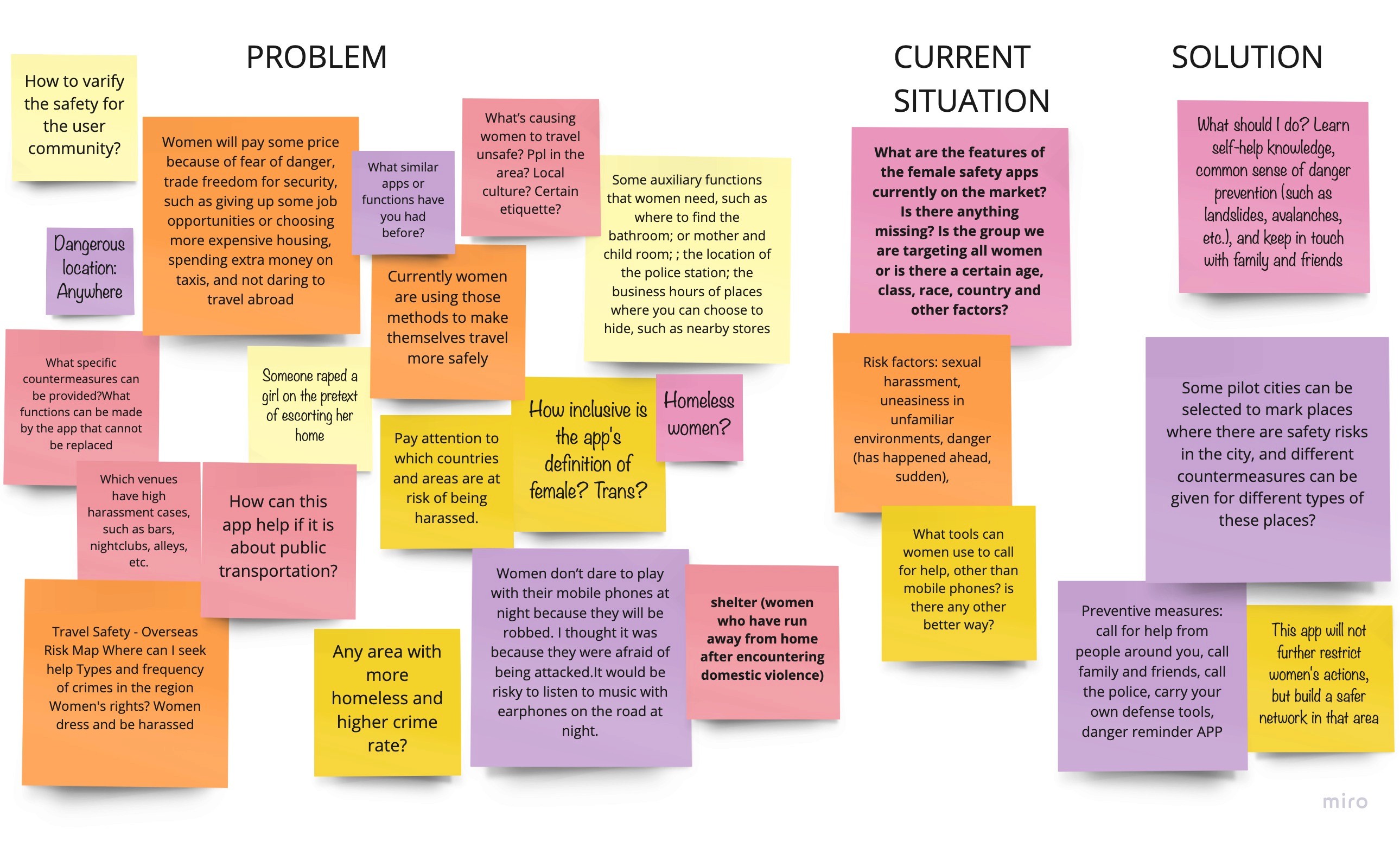
To narrow down the specific problem we are addressing, we created a problem map that lists problems, the current situation, and solutions.
WHY IS THIS A PROBLEM?
Our team conducted desk research on the current state of women's travel safety worldwide, including UK, Canada, Hong Kong, Japan, Mainland China, Taiwan, and The U.S.
• Women often use more affordable travel methods and rely more on walking or public transportation.
As women are far more likely than men to live on low incomes, work part-time, live in poverty and to undertake unpaid work in the home and the community, poor quality, unreliable and expensive public transport has a far bigger impact on their lives than it does on the lives of men.
• Public transportation is a common location for violence.
34% felt worried on public transport in the past three months and 8% of Londoners overall were completely or temporarily deterred from using public transport due to a worrying incident(Q1 April - June 22/23).
• Men are typically the perpetrators of safety incidents.
The most commonly cited worrying incidents on the bus/underground network include threatening behaviour of other passengers, youth/school-related ASB, passengers pushing/shoving each other, and drunkenness.
And over 40% of crime or antisocial behaviour on public transport 'youth related'.
Our competitor analysis revealed four types of women's safety products on the market: real-time location sharing, simulator virtual boyfriend, built-in emergency contact features, and an early warning system.
PERSONA
To have a deep understanding of users' needs and concerns while traveling, we conducted 11 semi-structured 1-on-1 interviews. Our screening variables included:
Gender
Age
Living status (living alone or together)
Occupation (whether they have to commute or not)
Disability status
The interviews revealed that:
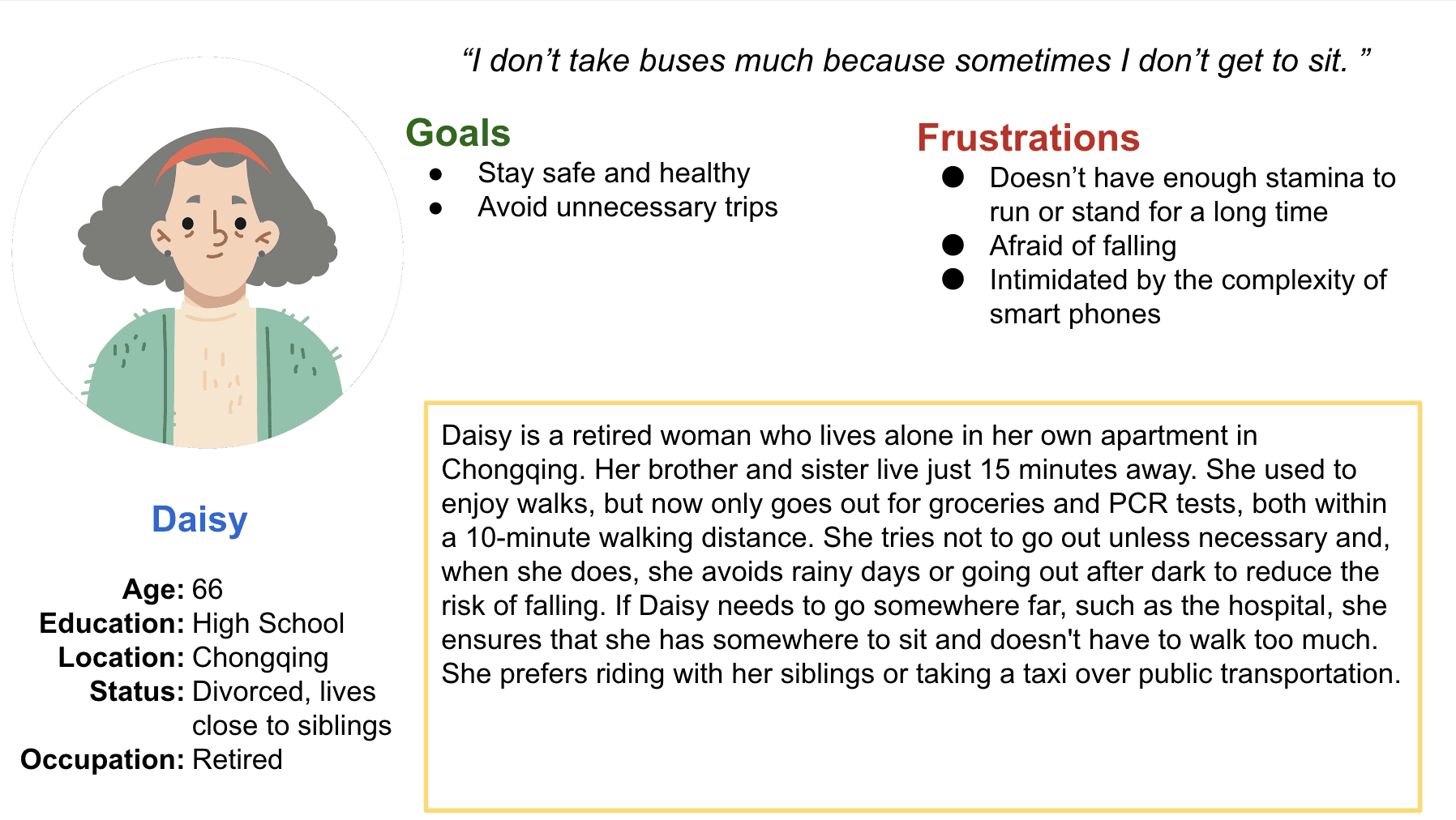
Women who live in cities have more or less experienced security risks when going out alone, especially when they live in a hybrid and chaotic neighborhood in a foreign country.
Elder women and those with restricted eyesight are more concerned about traffic accidents and the risk of falling on the road.
Current solutions include:
Location-sharing with family and friends
Going out in a group with friends
Taking a taxi rather than public transportation
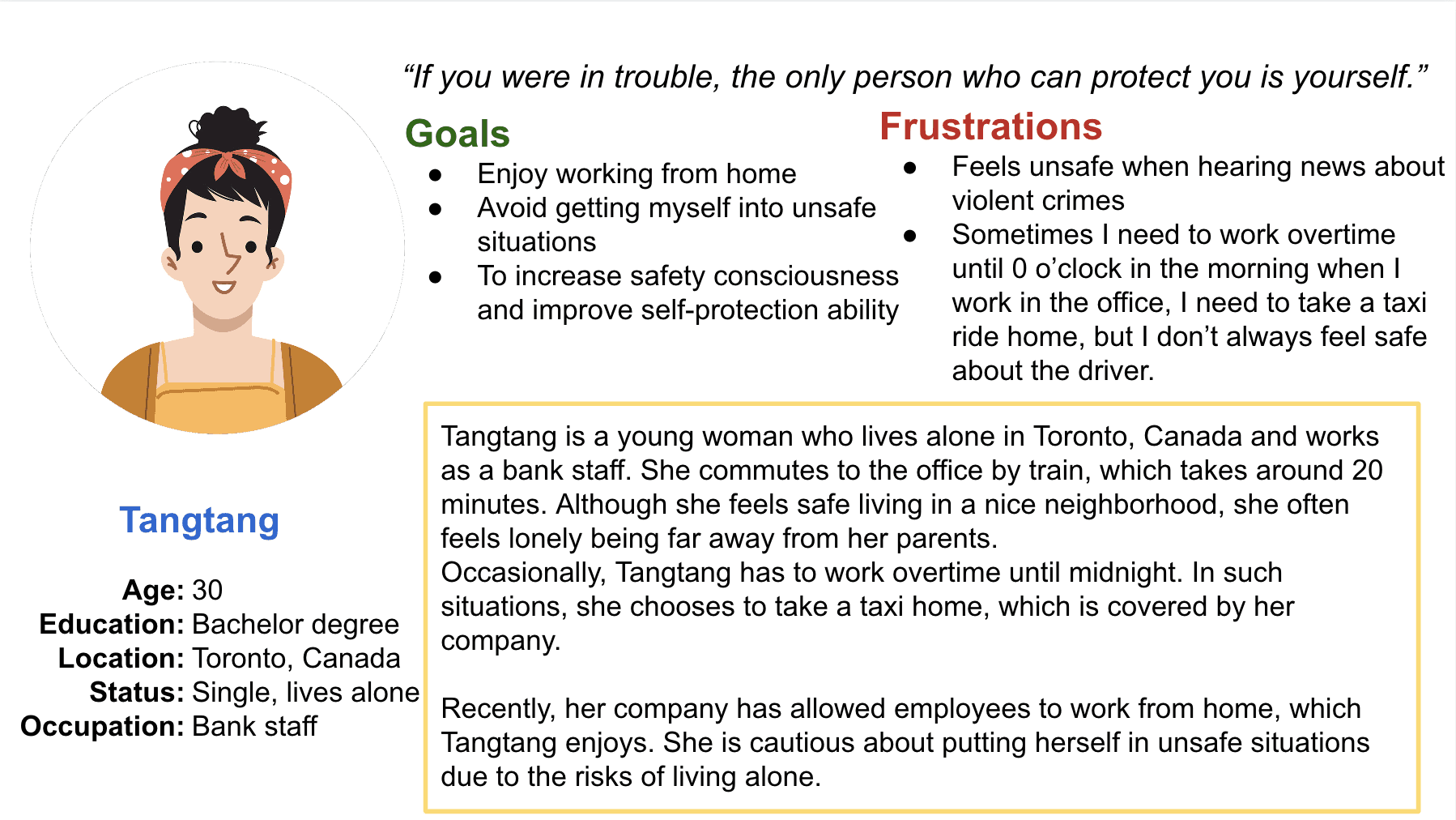
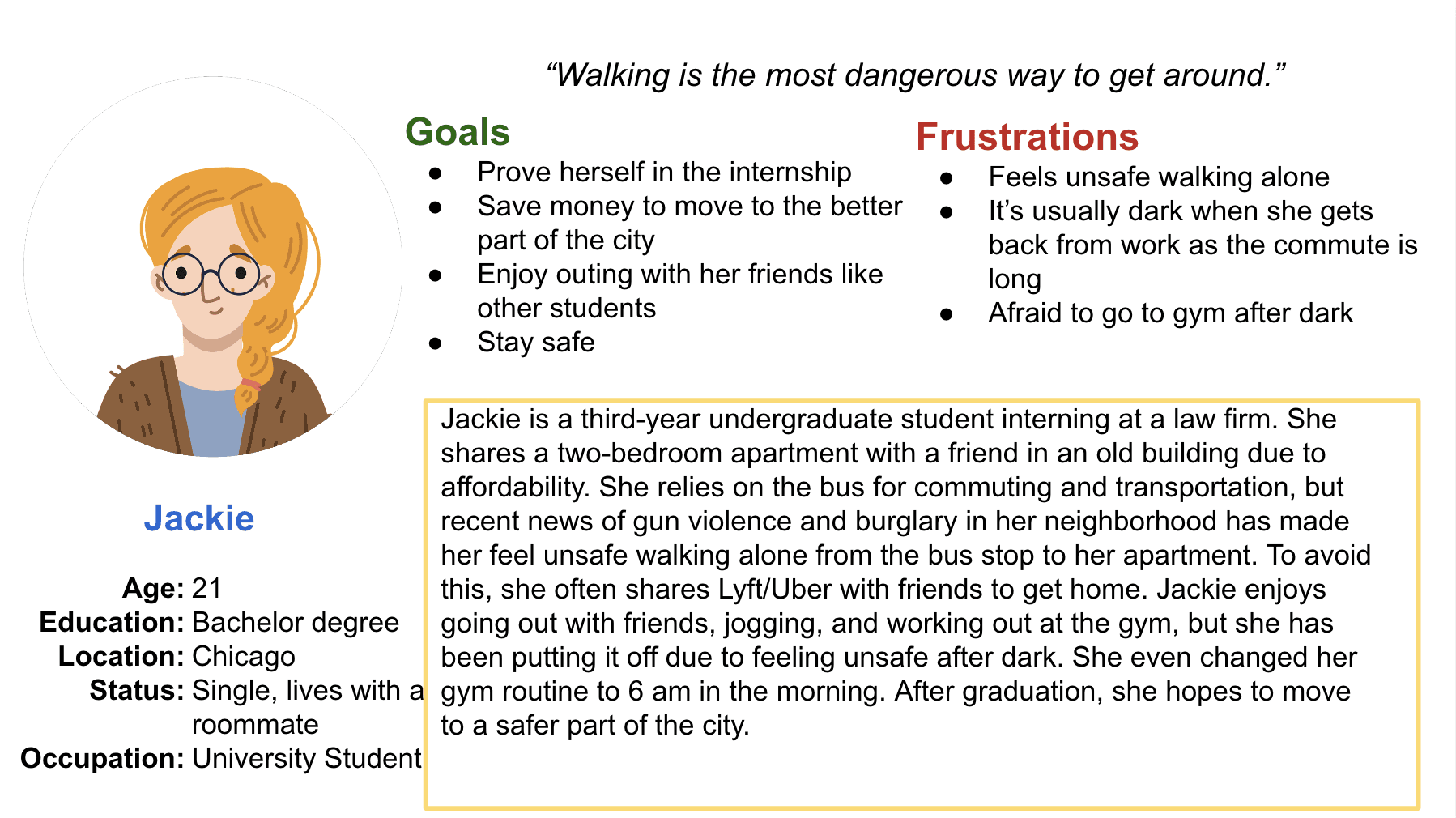
Based on these findings, we developed four personas to represent the different user groups identified in the interviews.
USER INSIGHTS
User Needs
A sense of security during travel
Protection against potential violent crimes
Assurance of arriving home safely
Safe travel options
Avoidance of rowdy groups and sketchy buildings
Accessible transportation
Navigation assistance for vision impairment
To address the problem of feeling insecure during the "last mile" of travel, we developed the idea of introducing a buddy system.
User Goals
Easily access a buddy system for added security during travel
Feel more secure and confident during night travel
Easily locate safe and convenient transportation options
Complete daily commutes without encountering rowdy groups or sketchy buildings
Enjoy greater independence and mobility despite limited physical abilities
Easily navigate unfamiliar areas with limited vision
WHY IS THIS A PROBLEM?
Our team conducted desk research on the current state of women's travel safety worldwide, including UK, Canada, Hong Kong, Japan, Mainland China, Taiwan, and The U.S.
Women often use more affordable travel methods and rely more on walking or public transportation.
As women are far more likely than men to live on low incomes, work part-time, live in poverty and to undertake unpaid work in the home and the community, poor quality, unreliable and expensive public transport has a far bigger impact on their lives than it does on the lives of men.
Public transportation is a common location for violence.
34% felt worried on public transport in the past three months and 8% of Londoners overall were completely or temporarily deterred from using public transport due to a worrying incident(Q1 April - June 22/23).
Men are typically the perpetrators of safety incidents.
The most commonly cited worrying incidents on the bus/underground network include threatening behaviour of other passengers, youth/school-related ASB, passengers pushing/shoving each other, and drunkenness.
And over 40% of crime or antisocial behaviour on public transport 'youth related'.
Our competitor analysis revealed four types of women's safety products on the market: real-time location sharing, simulator virtual boyfriend, built-in emergency contact features, and an early warning system.
OPPORTUNITY
How might we design a buddy system that enhances the safety of women during the final leg of their travel?
THE SOLUTION
Based on user insights, we ideated various solutions and evaluated each of them using four dimensions: feasibility, relevancy, uniqueness, and impact.
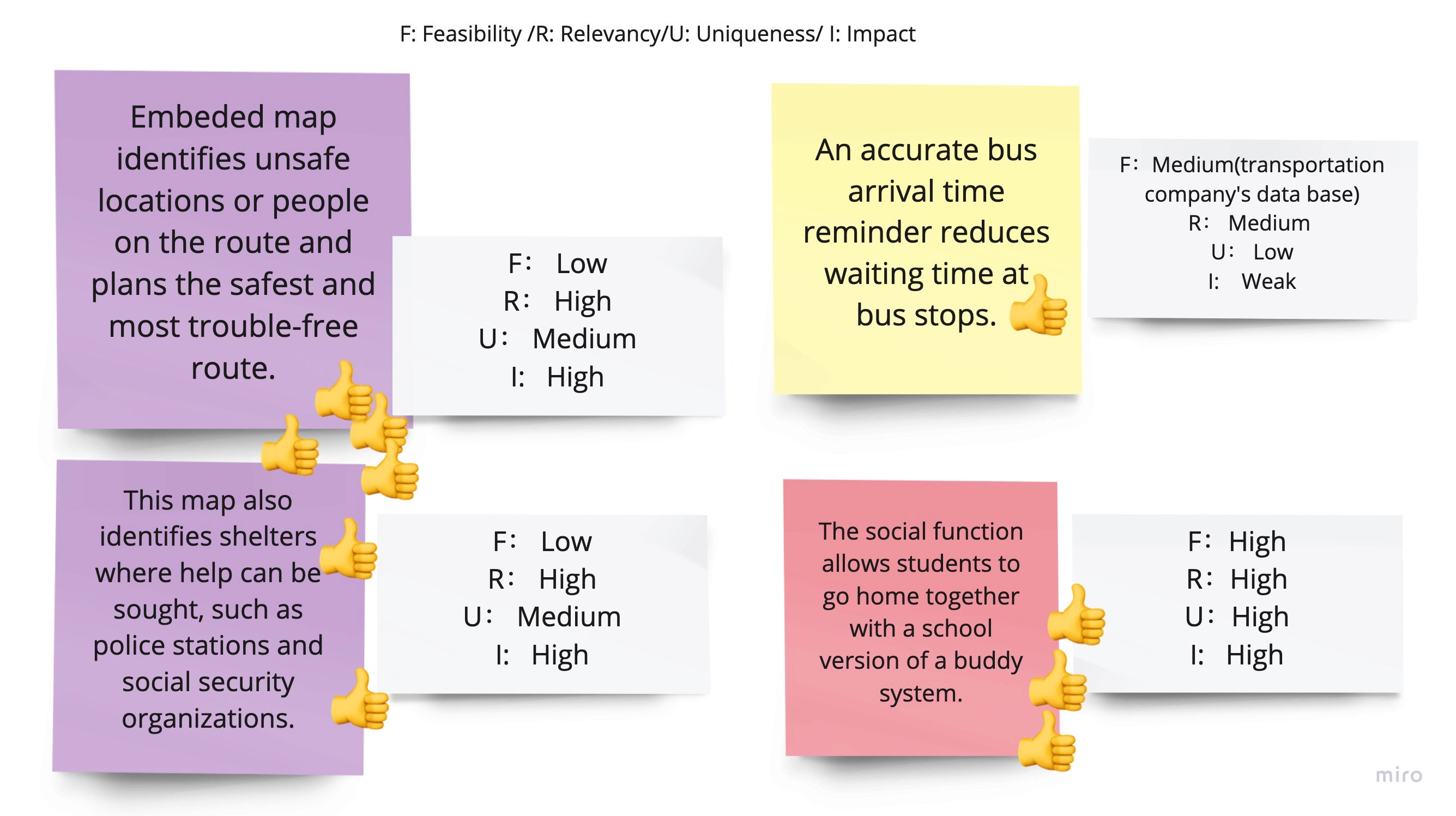
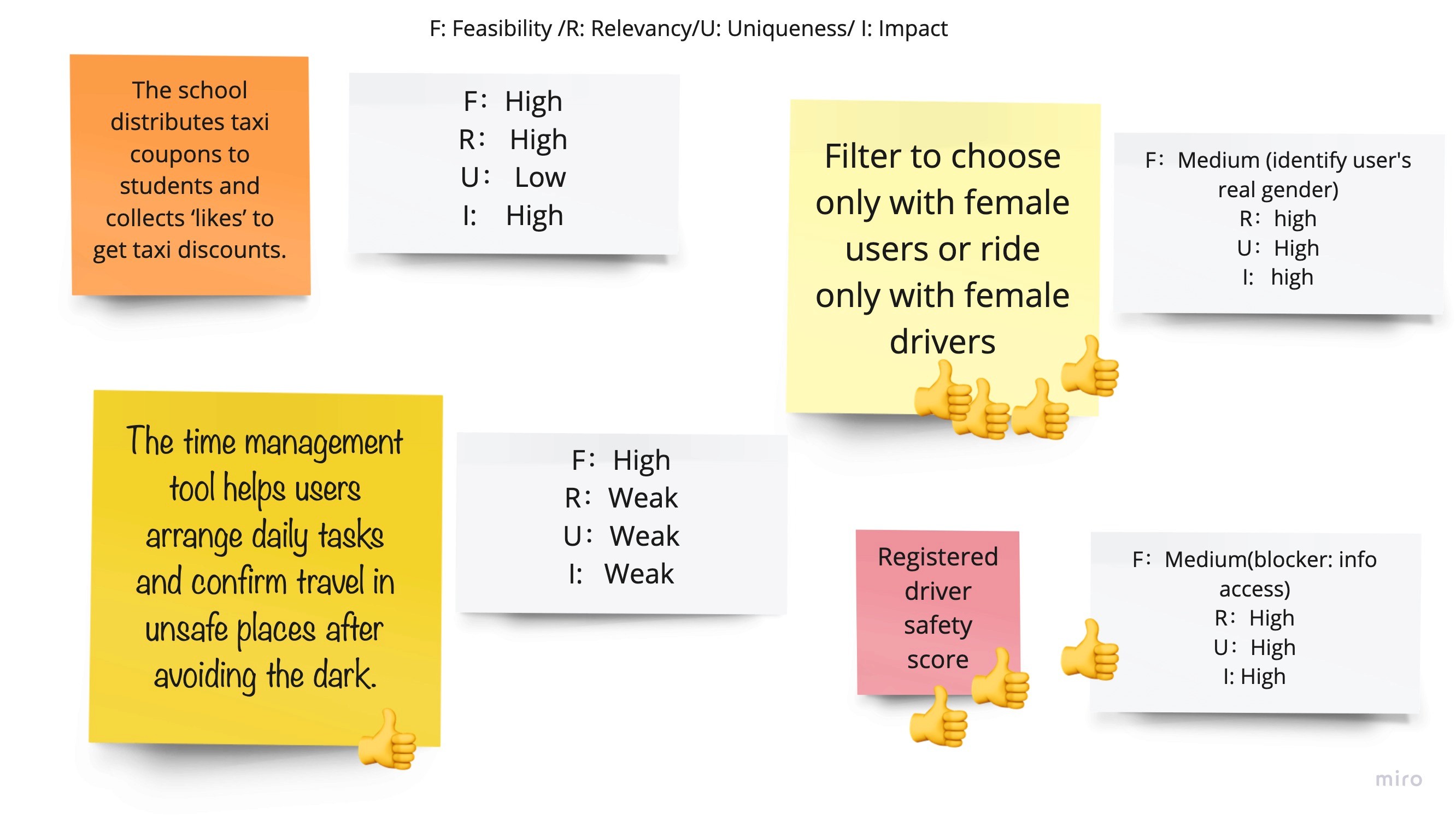
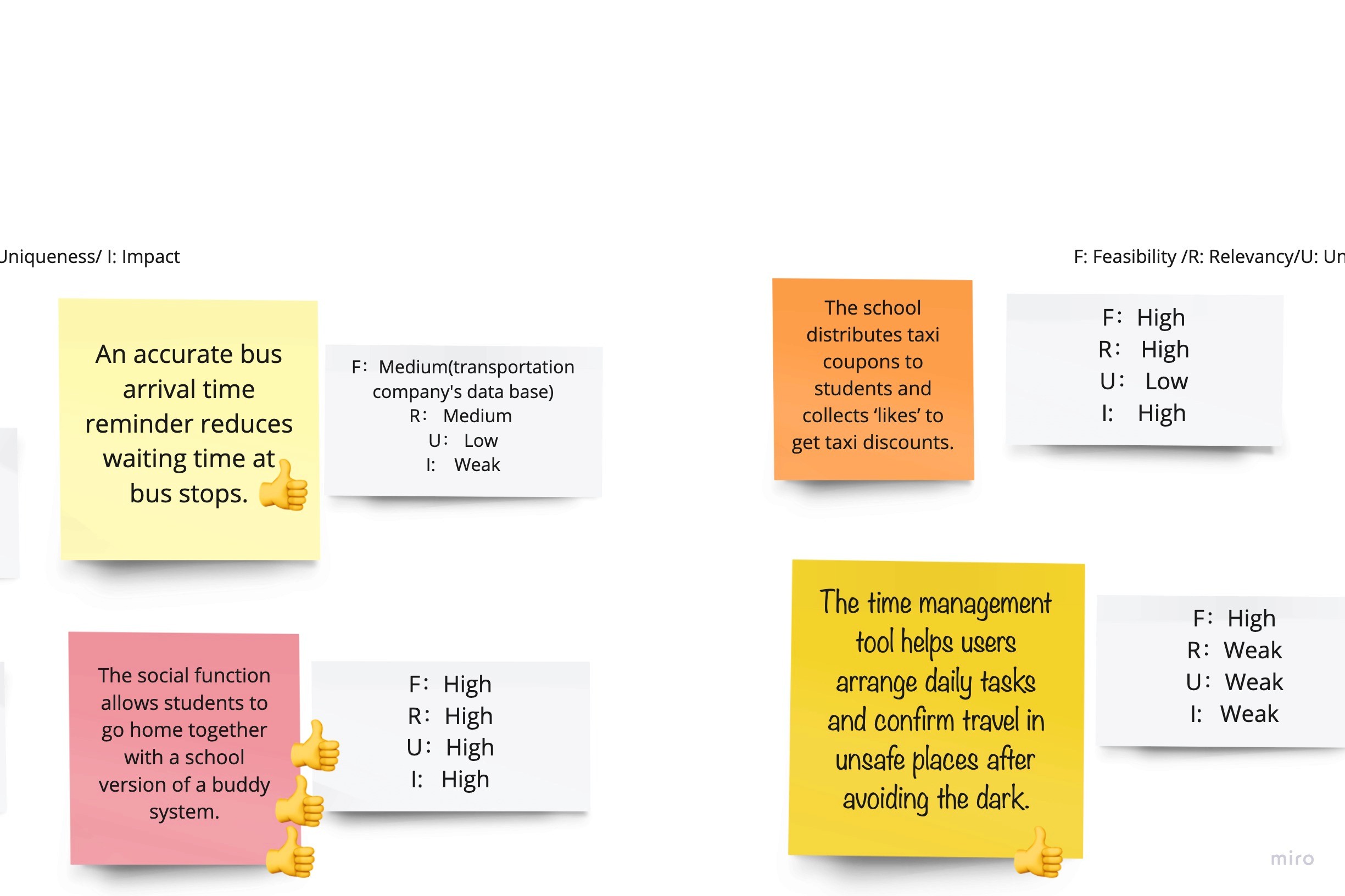
In the end, we decided to prioritize features that scored highly, such as supporting female users to travel in groups with other females or within their circle of friends and family.
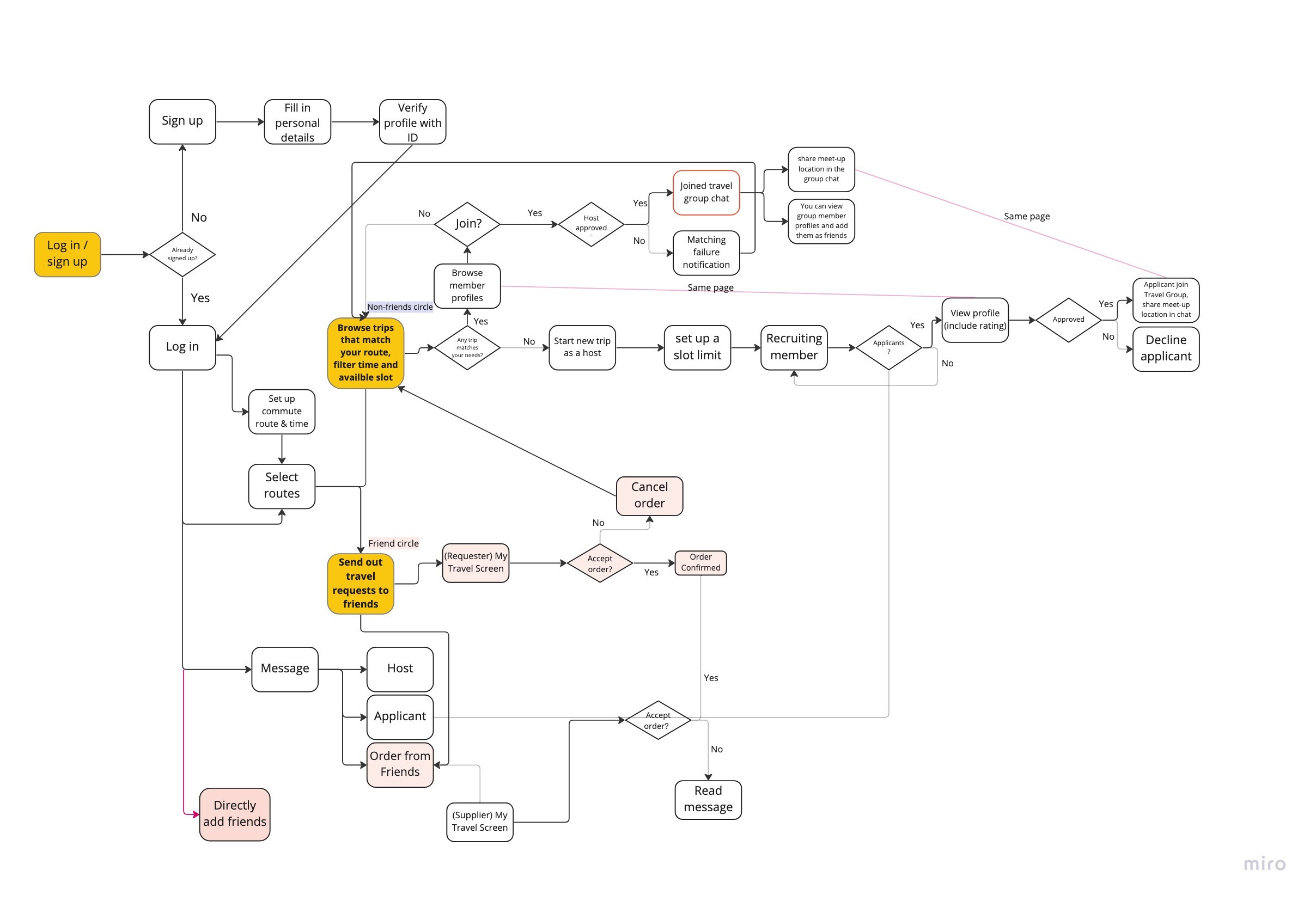
USER FLOW
DESIGN EXPLORATION+

Ship sites with style.
Go from design to site with Framer, the web builder for creative pros.
Get Started
Learn More
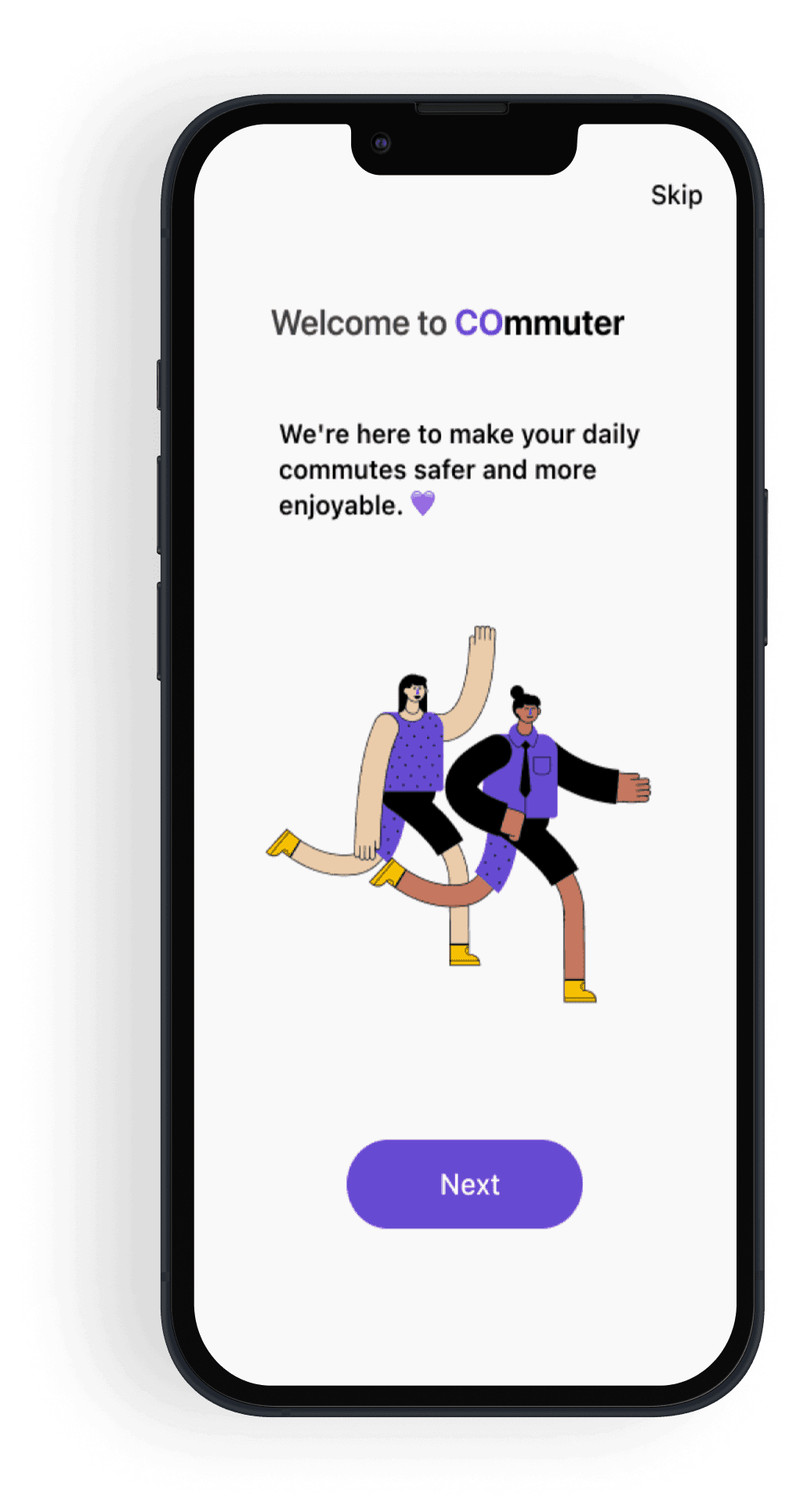
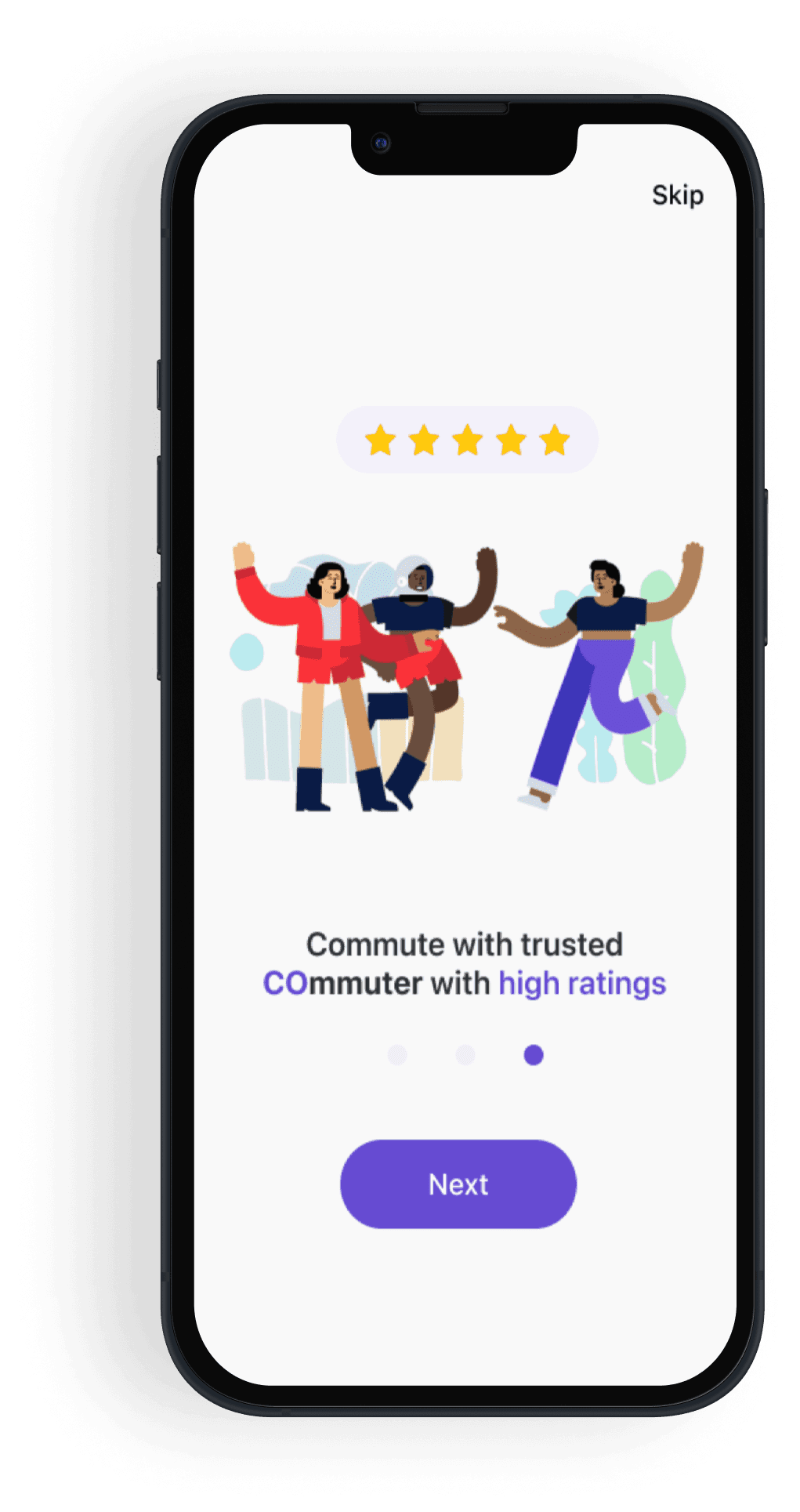
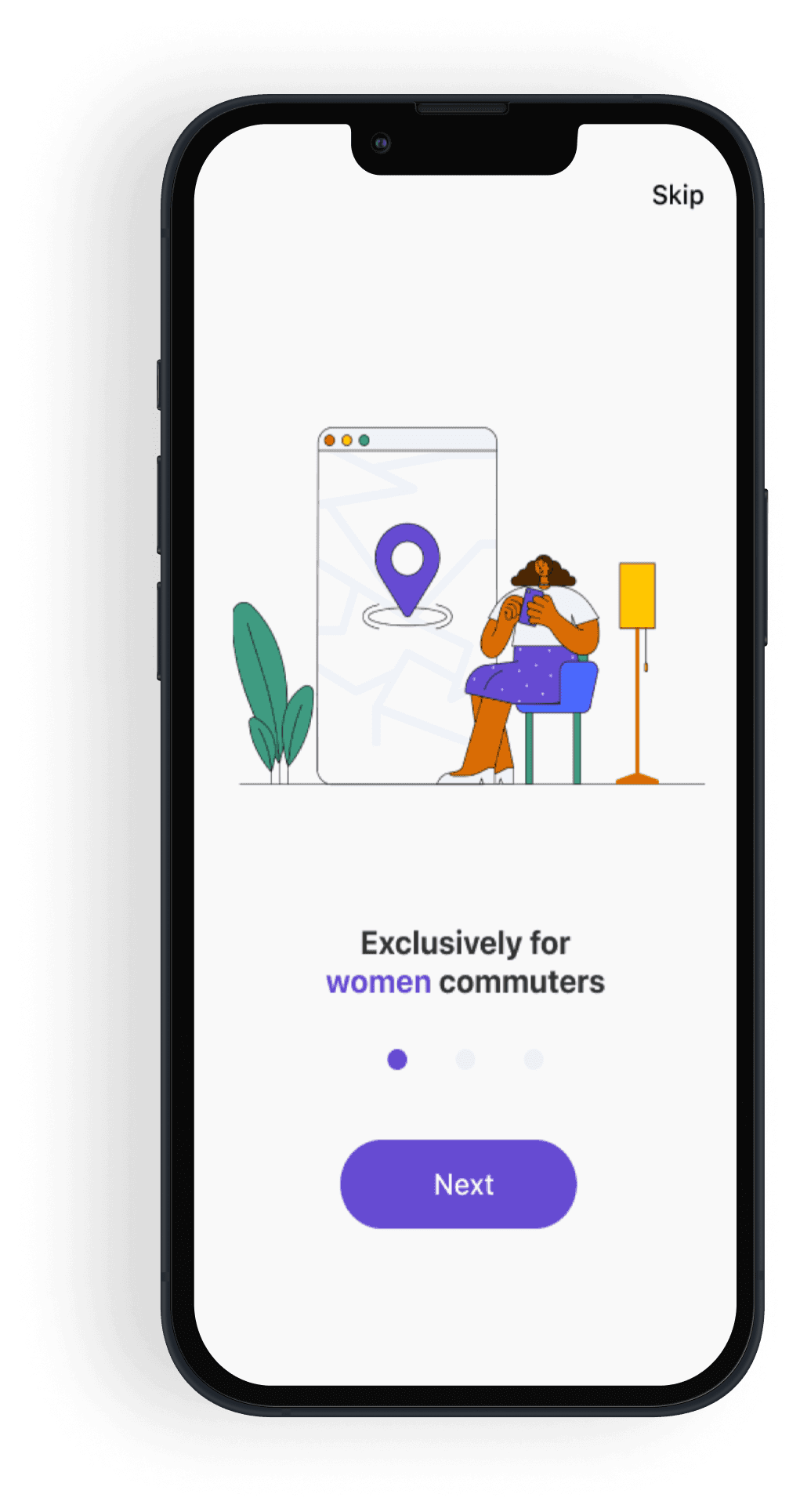
THE SOLUTION
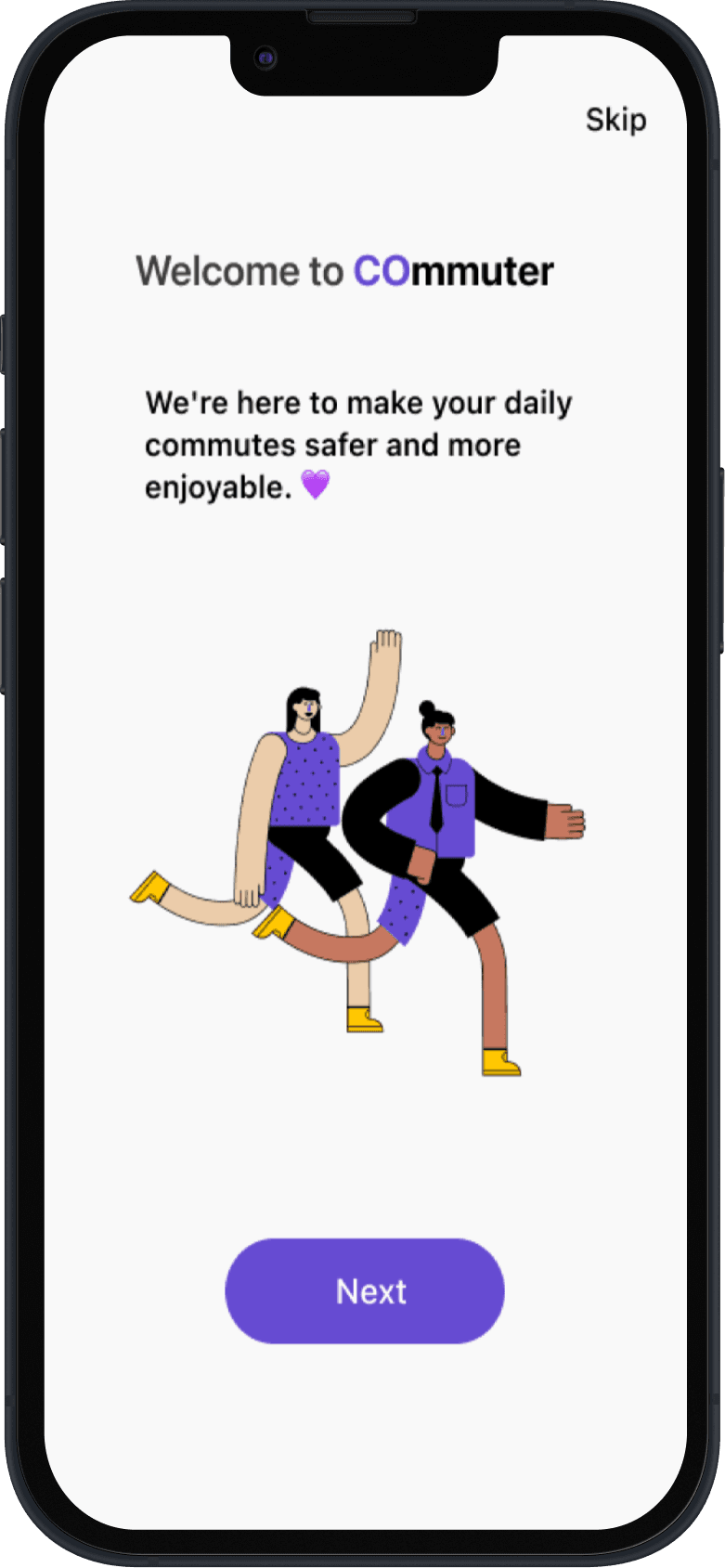
Onboarding
Convenient login with social media accounts
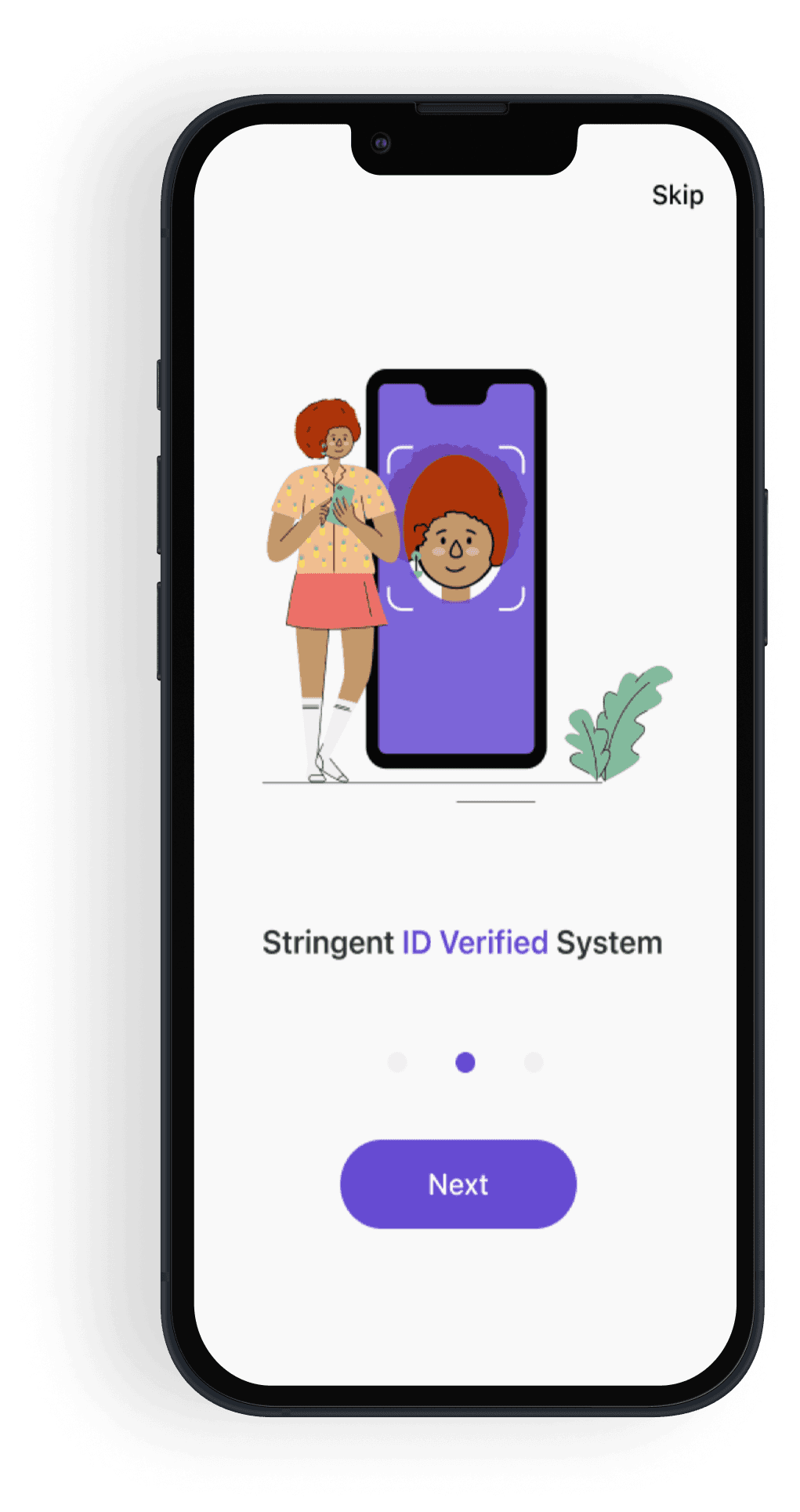
Building trust with our users
Our mission to empower safe and easy co-commuting
THE SOLUTION
Onboarding
Convenient login with social media accounts
Building trust with our users
Our mission to empower safe and easy co-commuting
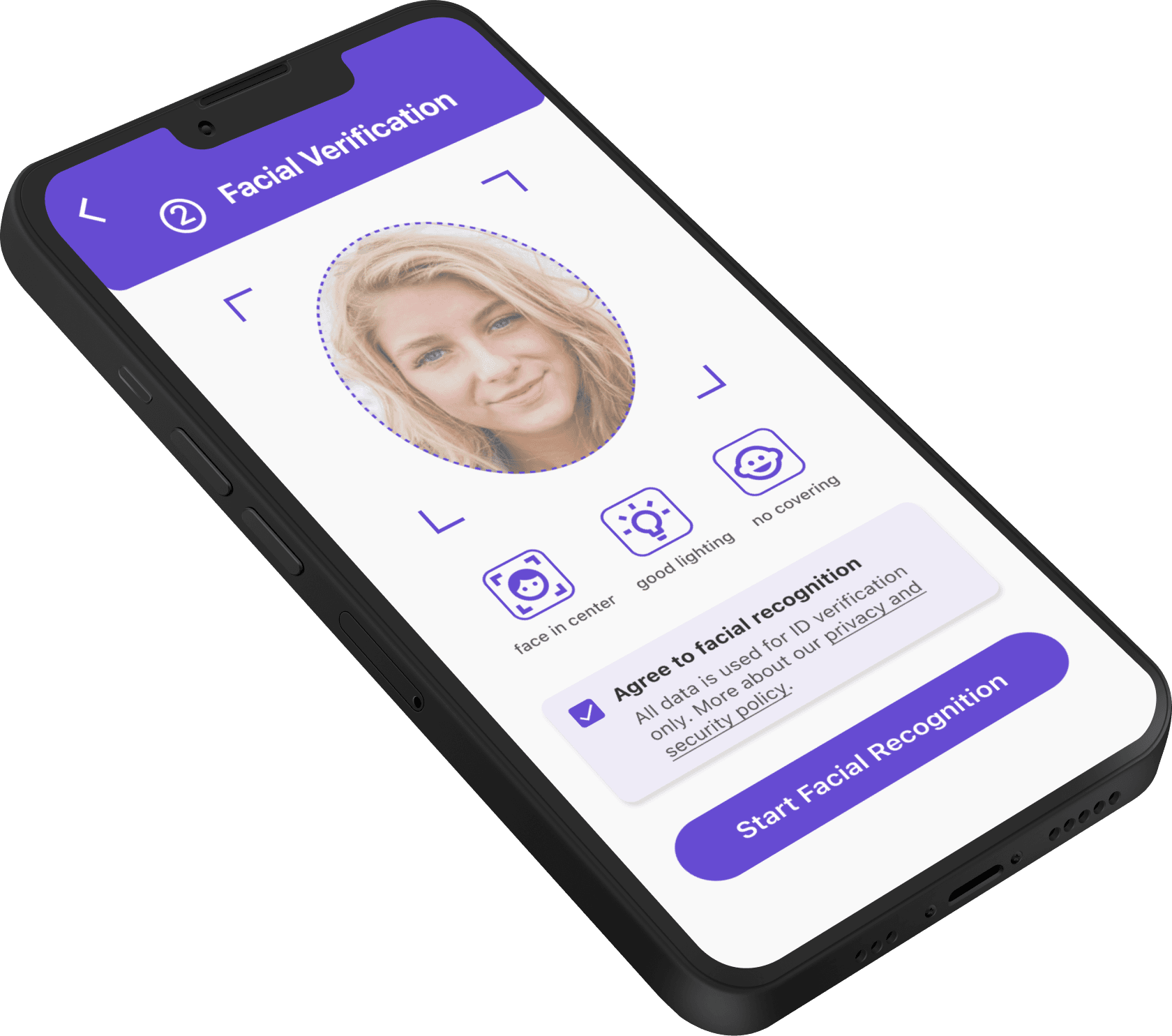
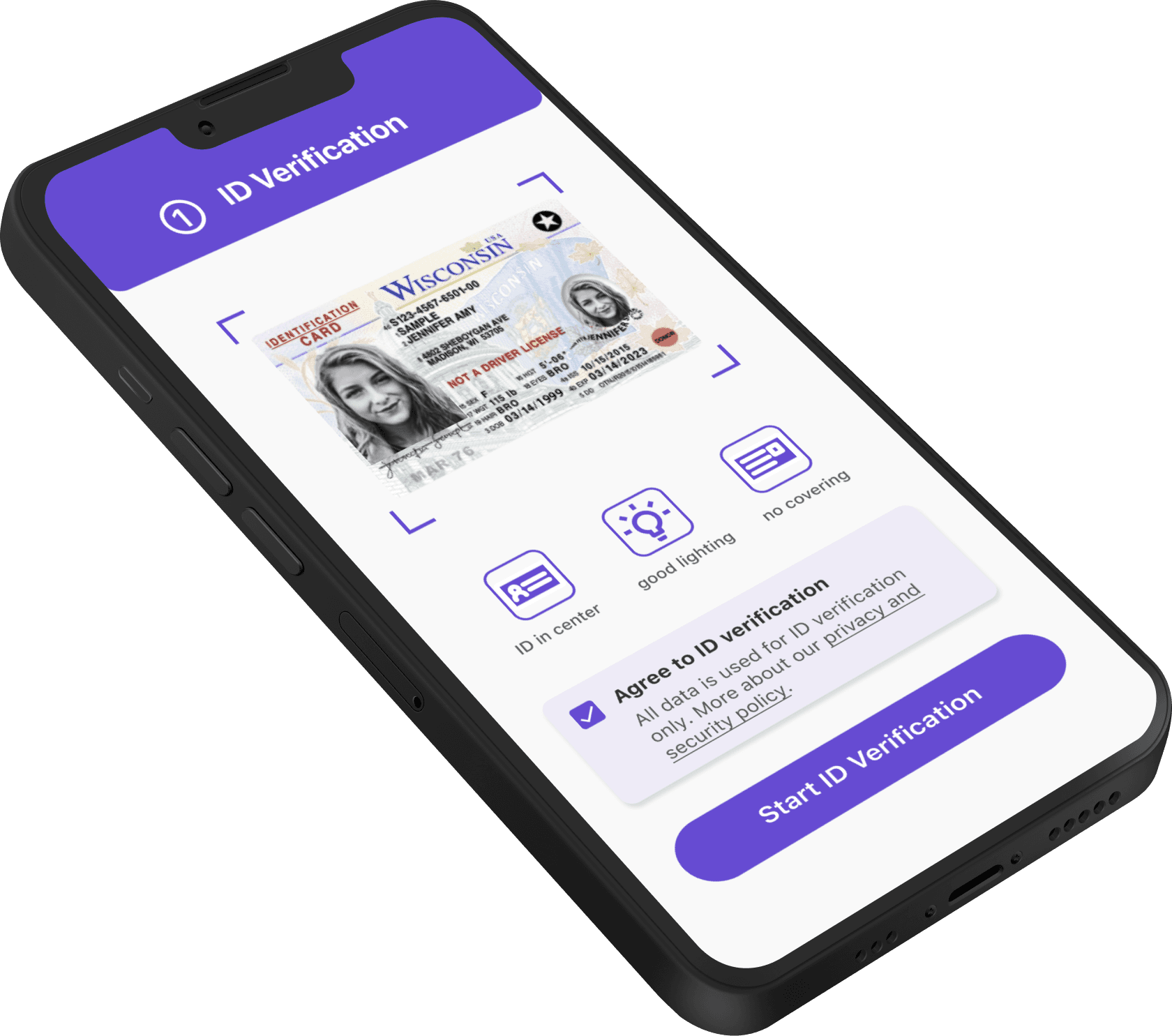
ID Verification + Facial Verification
Building trust with our users
Our mission to empower safe and easy co-commuting

hhhh
hhhh
Building trust with our users
Our mission to empower safe and easy co-commuting
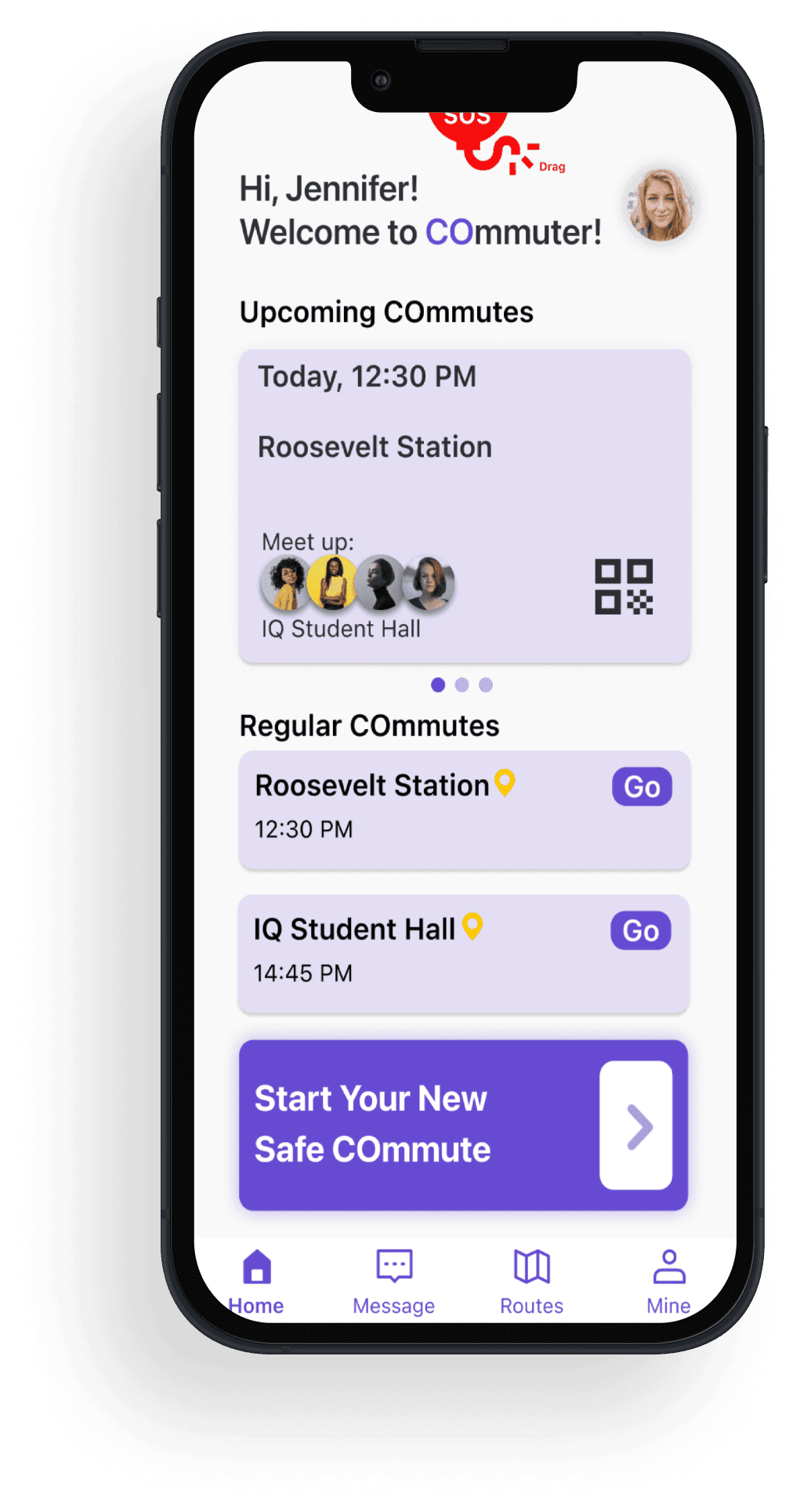
Alert
• draggable emergency widget
• float on most of screen
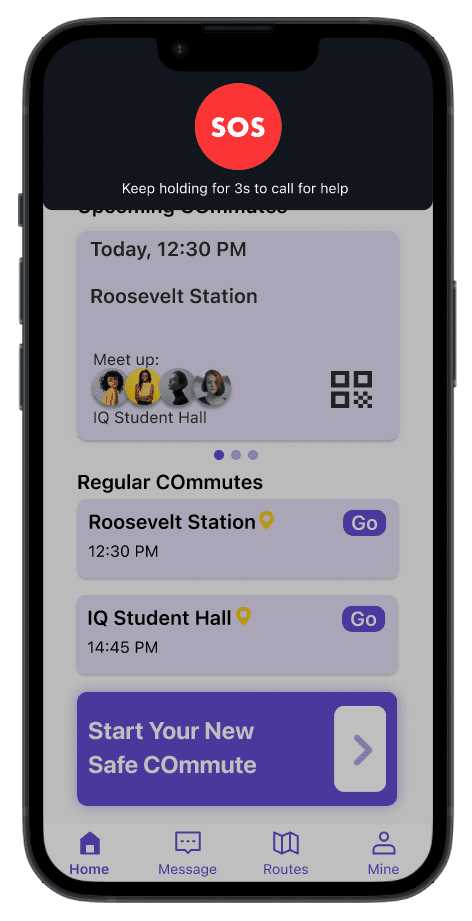
Alert
• draggable emergency widget
• float on most of screen
Alert
• draggable emergency widget
• float on most of screen
• draggable emergency widget
• float on most of screen
Home Page
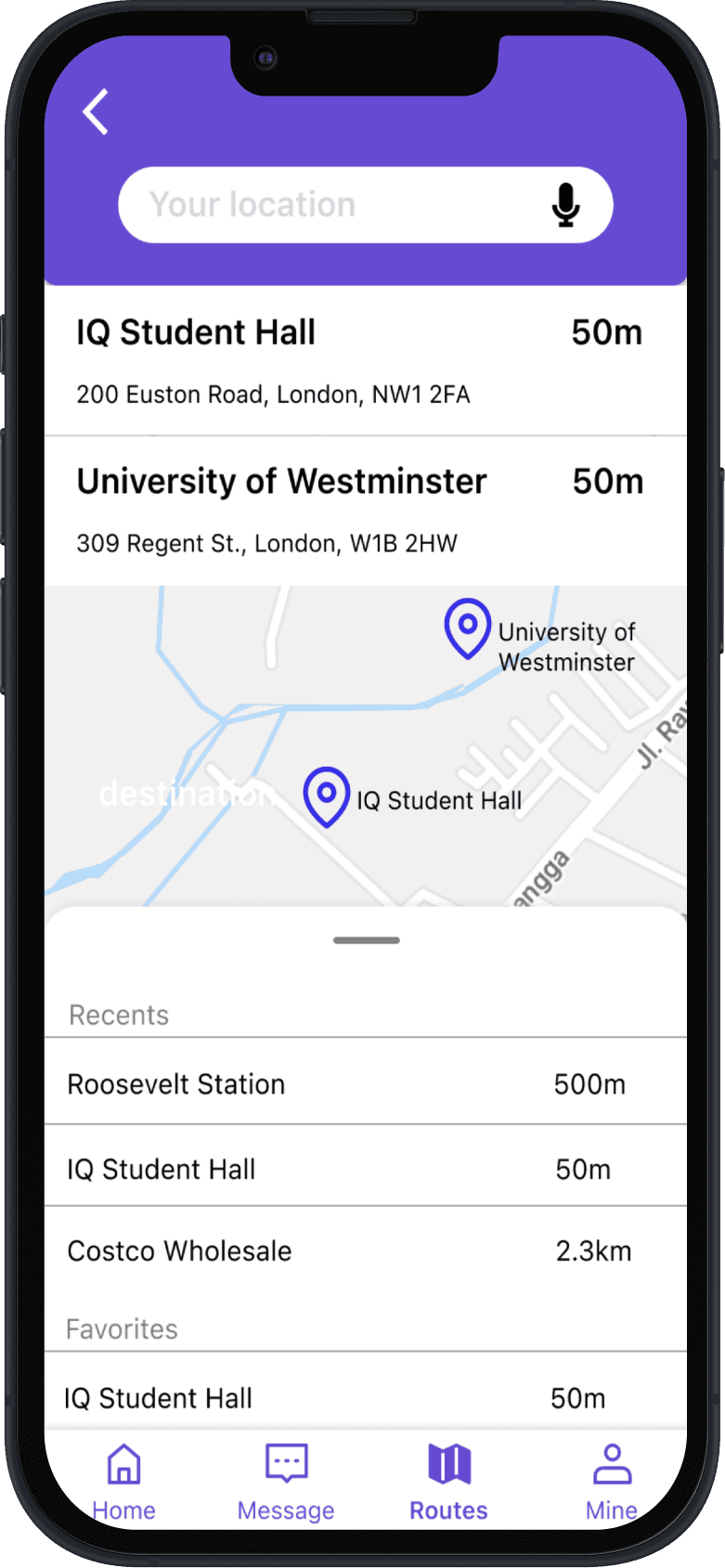
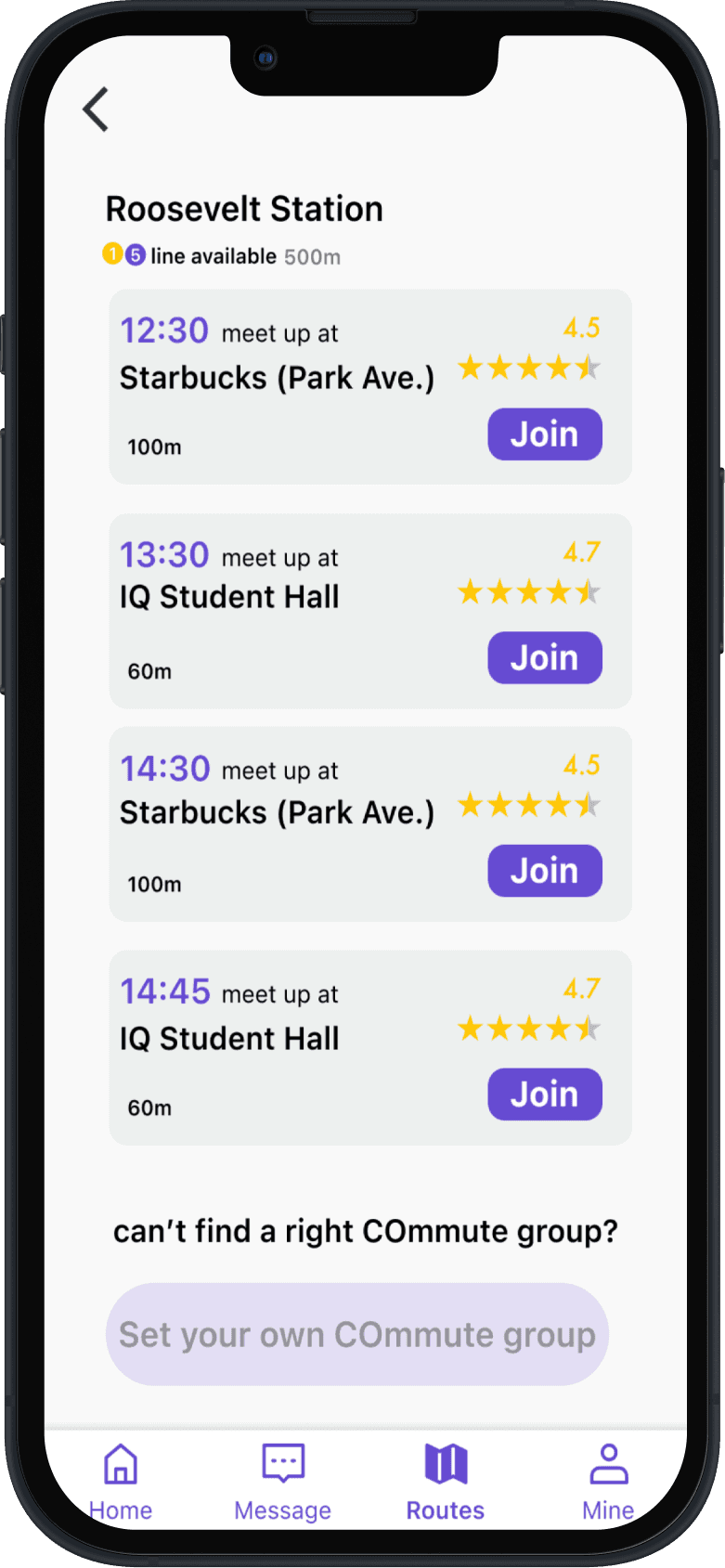
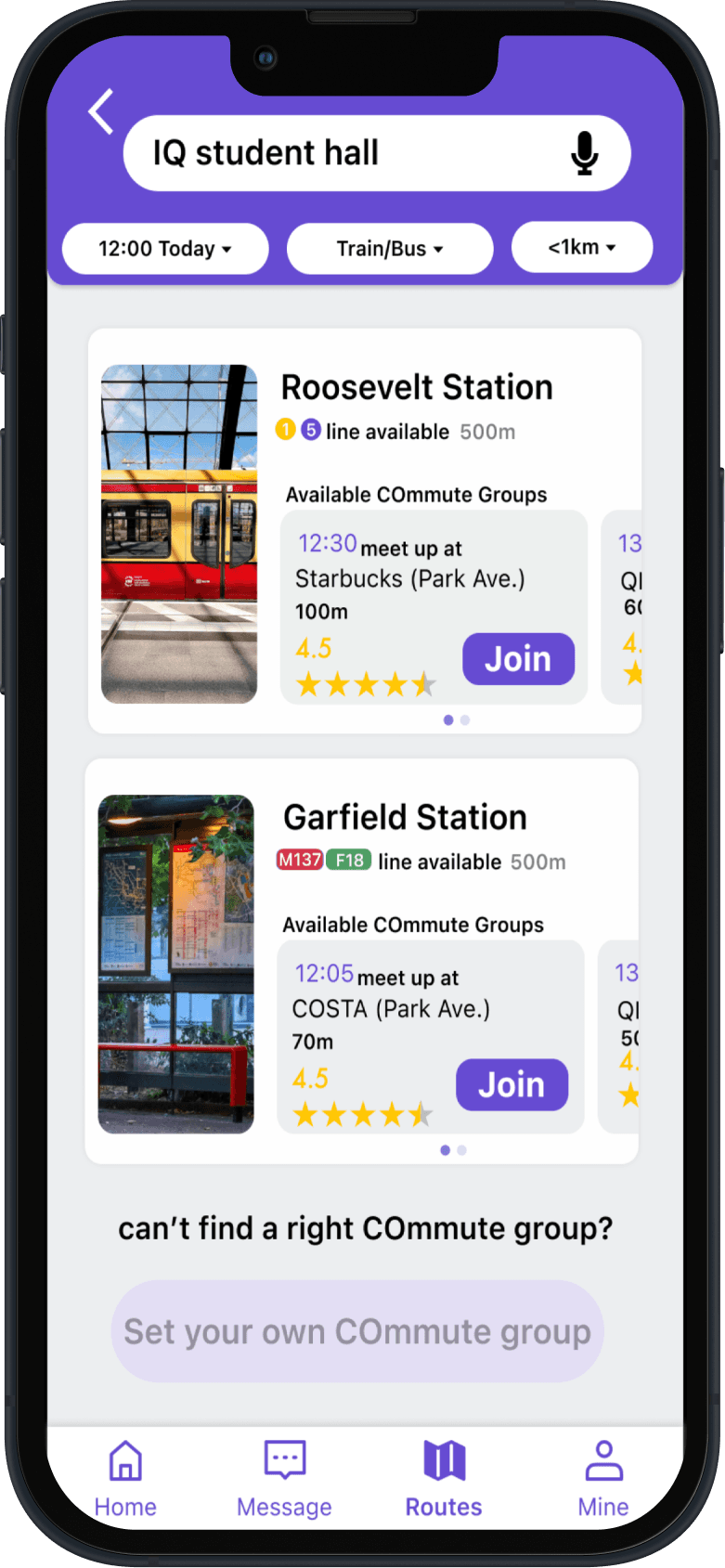
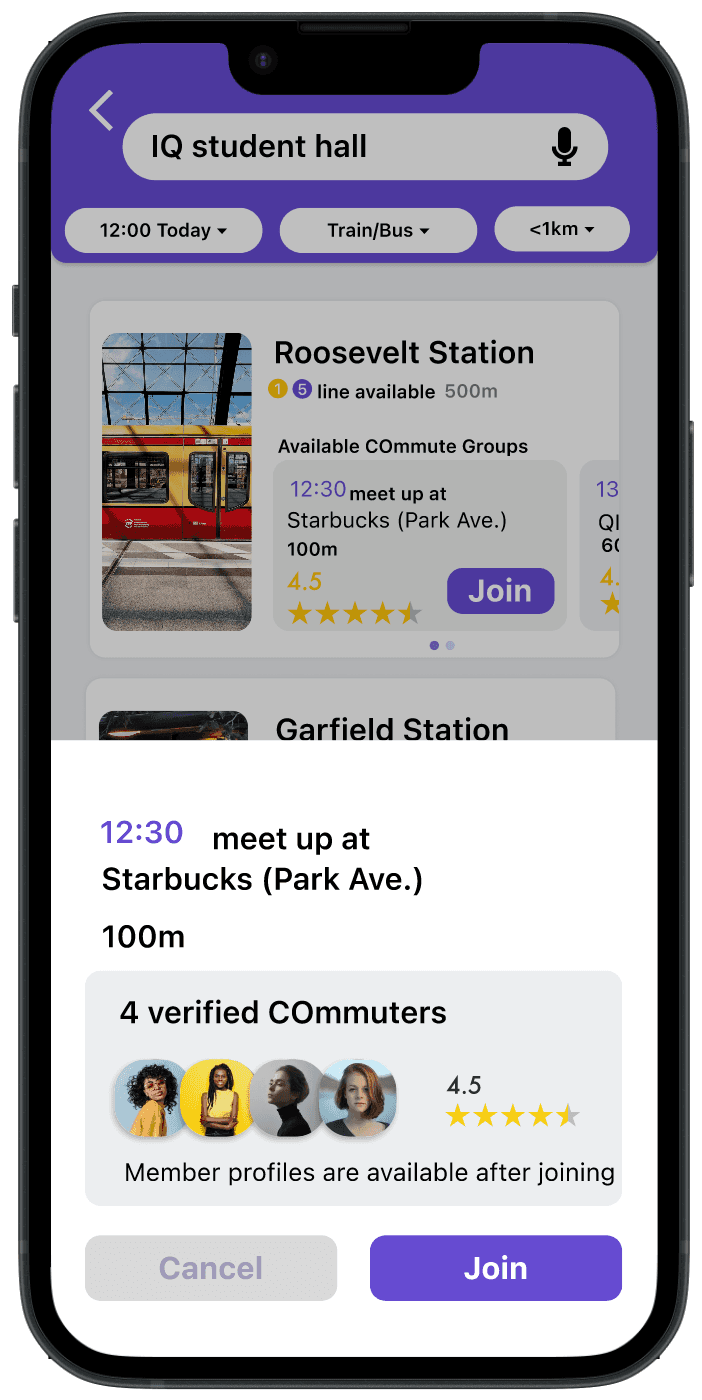
Join the group
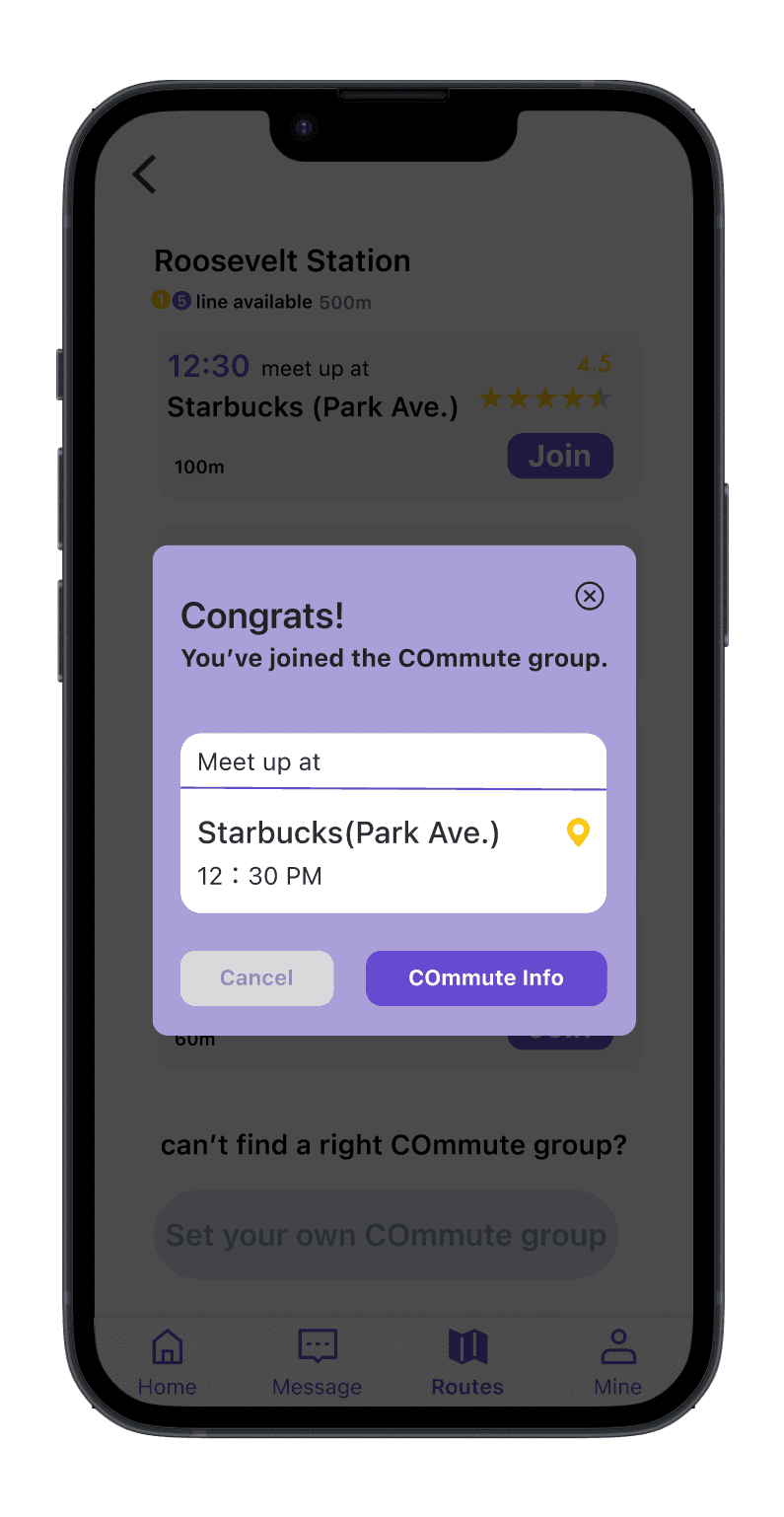
• draggable emergency widget
• float on most of screen
• draggable emergency widget
• float on most of screen
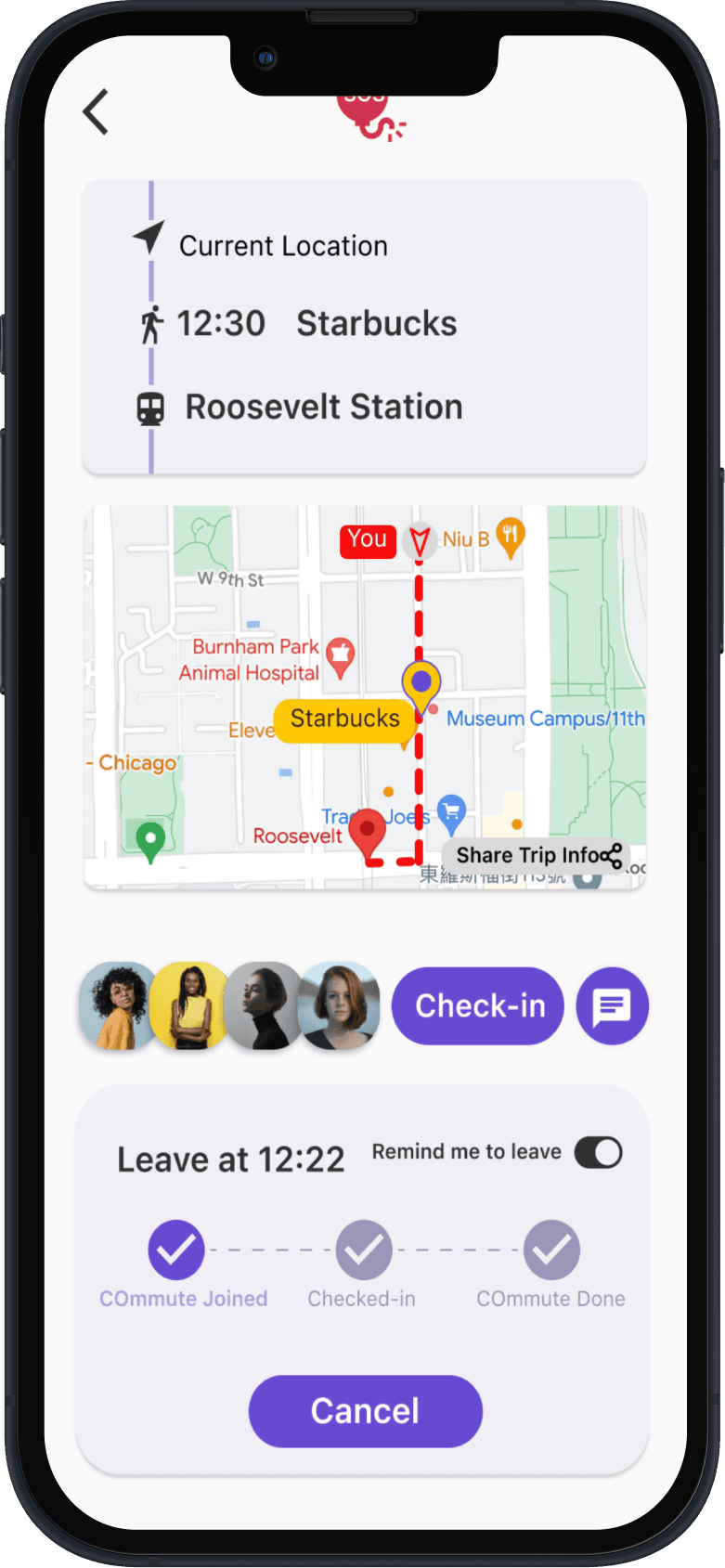
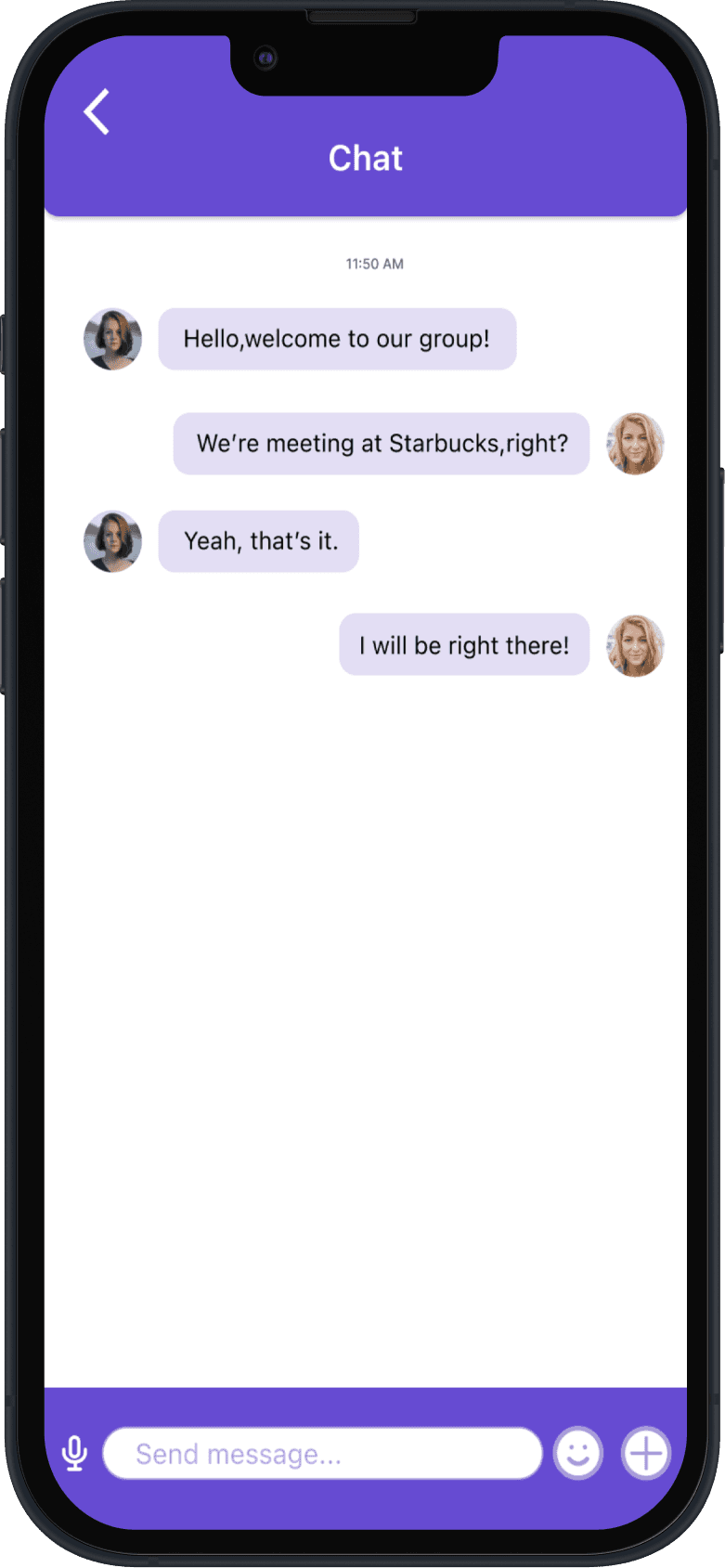
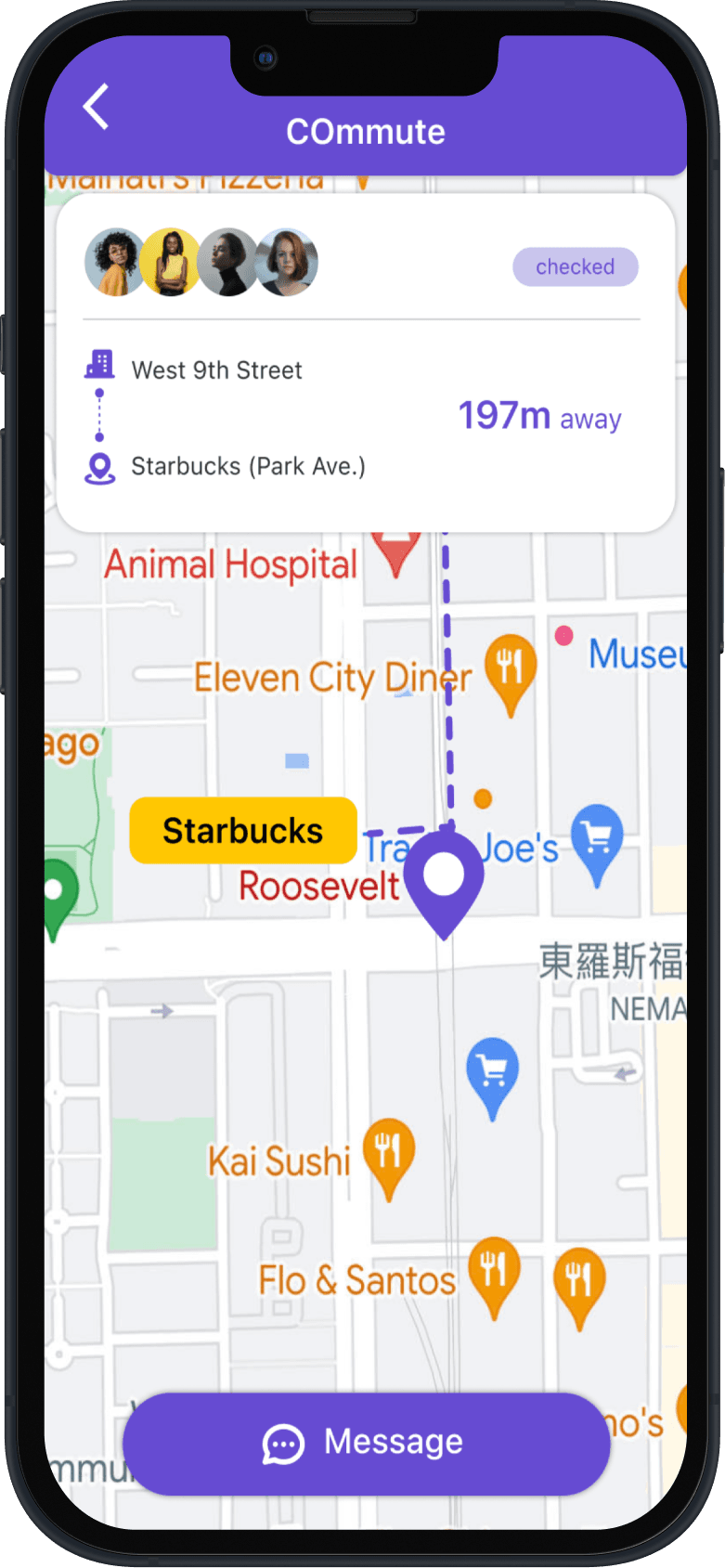
Checkin
Ship sites with style.
Get Started
Learn More
Ship sites with style.
Go from design to site with Framer, the web builder for creative pros.
Get Started
Learn More
Ship sites with style.
Go from design to site with Framer, the web builder for creative pros.
Get Started
Learn More
USER FLOW
Our team conducted desk research on the current state of women's travel safety worldwide, including UK, Canada, Hong Kong, Japan, Mainland China, Taiwan, and The U.S.
• Women often use more affordable travel methods and rely more on walking or public transportation.
As women are far more likely than men to live on low incomes, work part-time, live in poverty and to undertake unpaid work in the home and the community, poor quality, unreliable and expensive public transport has a far bigger impact on their lives than it does on the lives of men.
• Public transportation is a common location for violence.
34% felt worried on public transport in the past three months and 8% of Londoners overall were completely or temporarily deterred from using public transport due to a worrying incident(Q1 April - June 22/23).
• Men are typically the perpetrators of safety incidents.
The most commonly cited worrying incidents on the bus/underground network include threatening behaviour of other passengers, youth/school-related ASB, passengers pushing/shoving each other, and drunkenness.
And over 40% of crime or antisocial behaviour on public transport 'youth related'.
Our competitor analysis revealed four types of women's safety products on the market: real-time location sharing, simulator virtual boyfriend, built-in emergency contact features, and an early warning system.
ID Verification + Facial Verification
USER FLOW
WHAT'S THE CONTEXT?COPY
• draggable emergency widget
float on most of screen
• draggable emergency widget
float on most of screen
USER FLOW
Our team conducted desk research on the current state of women's travel safety worldwide, including UK, Canada, Hong Kong, Japan, Mainland China, Taiwan, and The U.S.
• Women often use more affordable travel methods and rely more on walking or public transportation.
As women are far more likely than men to live on low incomes, work part-time, live in poverty and to undertake unpaid work in the home and the community, poor quality, unreliable and expensive public transport has a far bigger impact on their lives than it does on the lives of men.
• Public transportation is a common location for violence.
34% felt worried on public transport in the past three months and 8% of Londoners overall were completely or temporarily deterred from using public transport due to a worrying incident(Q1 April - June 22/23).
• Men are typically the perpetrators of safety incidents.
The most commonly cited worrying incidents on the bus/underground network include threatening behaviour of other passengers, youth/school-related ASB, passengers pushing/shoving each other, and drunkenness.
And over 40% of crime or antisocial behaviour on public transport 'youth related'.
Our competitor analysis revealed four types of women's safety products on the market: real-time location sharing, simulator virtual boyfriend, built-in emergency contact features, and an early warning system.
ID Verification + Facial Verification
Building trust with our users
Our mission to empower safe and easy co-commuting
hhhh
hhhh
Building trust with our users
Our mission to empower safe and easy co-commuting